
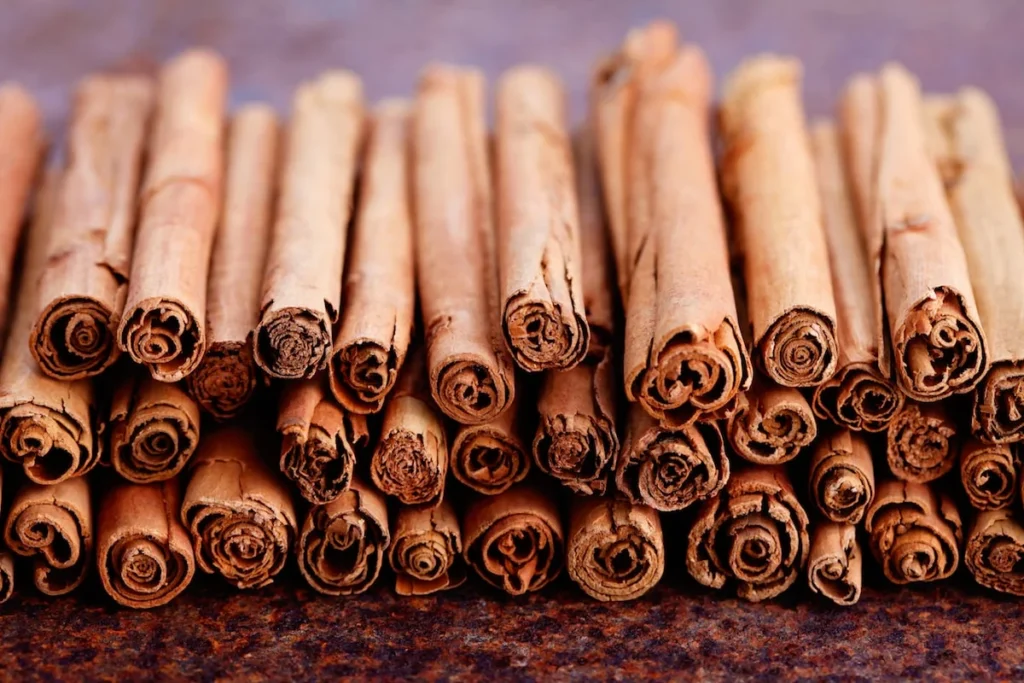
Walk into any high-end restaurant kitchen from New York to Tokyo, and you’ll notice something interesting about their spice collection. The cinnamon they reach for doesn’t come in the familiar thick, hard sticks you see at grocery stores worldwide. Instead, it’s delicate, paper-thin layers that crumble at the touch – this is Ceylon cinnamon from Sri Lanka, and once you understand why international chefs and food manufacturers pay premium prices for it, you’ll never look at regular cinnamon the same way.
What Makes Sri Lankan Ceylon Cinnamon the Global Premium Choice?
Ceylon cinnamon, known scientifically as Cinnamomum verum (literally “true cinnamon”), grows exclusively in Sri Lanka’s southwestern provinces, where unique climatic conditions create the world’s finest cinnamon. What sets this spice apart isn’t just its tropical origin – it’s an entirely different species from the cinnamon distributed globally as “regular” cinnamon.
The magic happens in Sri Lanka’s time-honored harvesting process, which has remained virtually unchanged for centuries. Skilled artisans, called “chaliya,” carefully strip the inner bark from young cinnamon shoots using techniques passed down through generations. As the bark dries under Sri Lanka’s tropical sun, it naturally curls into delicate quills that bear no resemblance to the thick, woody sticks of cassia cinnamon flooding international markets.
This traditional method creates Ceylon cinnamon’s signature characteristics: a sweet, subtle flavor with notes of citrus and vanilla, and an aroma so refined that it’s often described as perfume-like rather than the intense, almost medicinal scent of regular cinnamon.
The Health Advantage That Changes Everything
Here’s where Ceylon cinnamon truly earns its gold standard status – it’s dramatically safer for regular consumption. While cassia cinnamon (the common variety) contains high levels of coumarin, a compound that can damage the liver in large amounts, Ceylon cinnamon contains virtually none.
Recent studies published in the Journal of Agricultural and Food Chemistry show that Ceylon cinnamon contains less than 0.017mg of coumarin per gram, compared to cassia’s 0.31-6.97mg per gram. This means you can enjoy Ceylon cinnamon daily without health concerns, while nutritionists recommend limiting cassia cinnamon to occasional use.
For people managing blood sugar levels, this difference is crucial. Ceylon cinnamon offers the same blood sugar-regulating benefits as cassia, but without the potential liver risks. It’s why many healthcare providers specifically recommend Ceylon cinnamon for therapeutic use.
Why International Food Industries Demand Ceylon Cinnamon
Professional chefs and food manufacturers worldwide don’t choose Ceylon cinnamon just for health reasons – its flavor profile is in a completely different league for global cuisine applications. Where cassia cinnamon can overpower dishes with its intense, sometimes bitter heat, Ceylon cinnamon adds complexity without overwhelming other ingredients, making it ideal for international food production.
The difference becomes crucial in premium food manufacturing. Global beverage companies use Ceylon cinnamon in high-end coffee blends and specialty teas because cassia’s medicinal edge conflicts with delicate flavor profiles. Ceylon cinnamon enhances these products with natural sweetness and subtle spice notes that appeal to sophisticated international palates.
In commercial baking operations across Europe, North America, and Asia, Ceylon cinnamon doesn’t just add warmth – it contributes layers of flavor that develop consistently during industrial processing. This reliability is why major international brands specifically source authentic Ceylon cinnamon from Sri Lankan suppliers for their premium product lines.
Sri Lanka’s Sustainable Export Excellence
Ceylon cinnamon production represents one of the world’s most sustainable spice export industries, positioning Sri Lankan suppliers as responsible partners for international buyers. The trees aren’t cut down for harvesting – instead, shoots are carefully pruned, allowing the same tree to produce export-quality cinnamon for decades.
Small-scale farmers and established exporters in Sri Lanka have perfected this approach over generations, creating a supply chain where premium quality and environmental responsibility align with international sustainability standards. This makes Sri Lankan Ceylon cinnamon attractive to global brands committed to ethical sourcing.
Leading Sri Lankan cinnamon exporters maintain traceability from farm to international port, ensuring consistent quality for wholesale buyers, distributors, and food manufacturers worldwide. This reliability has made Sri Lanka the trusted source for premium cinnamon in demanding markets across the Middle East, Europe, North America, and Asia.
How to Identify Authentic Ceylon Cinnamon
With Ceylon cinnamon’s growing reputation, mislabeling has become common. Here’s how to spot the real thing:
Visual cues: True Ceylon cinnamon sticks are thin, multi-layered, and tan-colored. They break easily and look almost like dried paper rolled into tubes. Cassia sticks are thick, dark reddish-brown, and feel like wood.
Texture test: Ceylon cinnamon crumbles when you rub it between your fingers. Cassia is too hard to break by hand.
Taste difference: Ceylon cinnamon is sweet and mild, while cassia has an intense, almost burning heat.
Price reality: Authentic Ceylon cinnamon costs significantly more than regular cinnamon. If the price seems too good to be true, it probably is.
Making the Switch: What to Expect
Transitioning from cassia to Ceylon cinnamon requires adjusting your expectations and recipes. Ceylon cinnamon’s gentler nature means you might need to use slightly more to achieve the same flavor intensity in robust dishes like cinnamon rolls or spice cakes.
However, in applications where cinnamon plays a supporting role – coffee drinks, fruit dishes, or delicate pastries – Ceylon cinnamon’s subtlety becomes its strength. It enhances rather than dominates, creating more sophisticated flavor profiles.
Many home cooks find that Ceylon cinnamon actually improves their cooking because it forces them to taste and adjust seasonings more carefully, leading to better overall results.
The Investment That Transforms Your Kitchen
Ceylon cinnamon from Sri Lanka isn’t just another spice upgrade – it’s a fundamental shift in how you approach flavor. While it costs more upfront, its superior taste, health benefits, and versatility make it invaluable for serious home cooks.
The next time you’re planning a special meal or baking project, consider reaching for true Ceylon cinnamon. Your taste buds will immediately understand why this ancient spice from Sri Lanka has maintained its reputation as the gold standard for over 2,000 years.
After all, in a world full of shortcuts and substitutes, there’s something deeply satisfying about using an ingredient that hasn’t changed since ancient spice traders first carried it along the Silk Road – except now, it’s available in your kitchen.
