
Step into a cinnamon plantation in Sri Lanka’s misty hill country at dawn, and you’ll witness a process that has remained virtually unchanged for over 2,000 years. The skilled artisans working among the fragrant trees aren’t just harvesting spices – they’re preserving an ancient craft that produces the world’s finest cinnamon through methods so refined that modern machinery still cannot replicate their precision. This is the story of how Ceylon cinnamon travels from living bark to the premium spice sought by international buyers worldwide.
The Living Laboratory: Sri Lanka’s Unique Cinnamon Terroir
Ceylon cinnamon (Cinnamomum verum) thrives exclusively in Sri Lanka’s southwestern provinces, where a perfect storm of climatic conditions creates the world’s premium cinnamon growing region. The combination of consistent temperatures between 27-30°C, annual rainfall of 2,000-2,500mm, and well-drained, slightly acidic soil creates an irreplaceable terroir that global agricultural experts have failed to replicate elsewhere.
The cinnamon trees themselves are remarkable survivors – some plantations feature trees that have been producing premium bark for over 150 years. Unlike industrial spice farming practiced elsewhere, Sri Lankan cinnamon cultivation works with nature’s rhythms rather than against them.
What makes this system sustainable for international export is its regenerative approach. Rather than destroying trees for harvest, the traditional Sri Lankan method actually strengthens the trees while producing higher-quality cinnamon year after year. This sustainability factor is increasingly important for global buyers seeking environmentally responsible supply chains.
The Art of the “Chaliya”: Master Craftsmen of Cinnamon
At the heart of Sri Lanka’s cinnamon industry are the “chaliya” – hereditary cinnamon peelers whose skills are passed down through generations. These master craftsmen possess an almost supernatural ability to identify the perfect moment for harvest, reading subtle signs in bark texture, color, and flexibility that determine the final product quality.
The harvesting process begins before sunrise when morning dew keeps the bark pliable. Chaliya select shoots that are typically 1-2 years old and about the thickness of a finger. The timing is critical – too young and the bark lacks the essential oil concentration that international buyers demand; too old and the bark becomes too thick and loses its delicate flavor profile.
Using traditional tools that have evolved over centuries – a sharp curved knife called a “kokatha” and a specialized scraping tool – the chaliya carefully remove the outer bark to reveal the precious inner bark underneath. This process requires incredible precision; a single wrong cut can ruin an entire section, reducing export-quality cinnamon to lower-grade product.
The skill level required explains why mechanical harvesting has never succeeded in replicating handcrafted Ceylon cinnamon quality. International spice importers consistently report that machine-processed cinnamon lacks the uniform thickness, essential oil content, and visual appeal that defines premium Ceylon cinnamon in global markets.
The Transformation: From Fresh Bark to Golden Quills
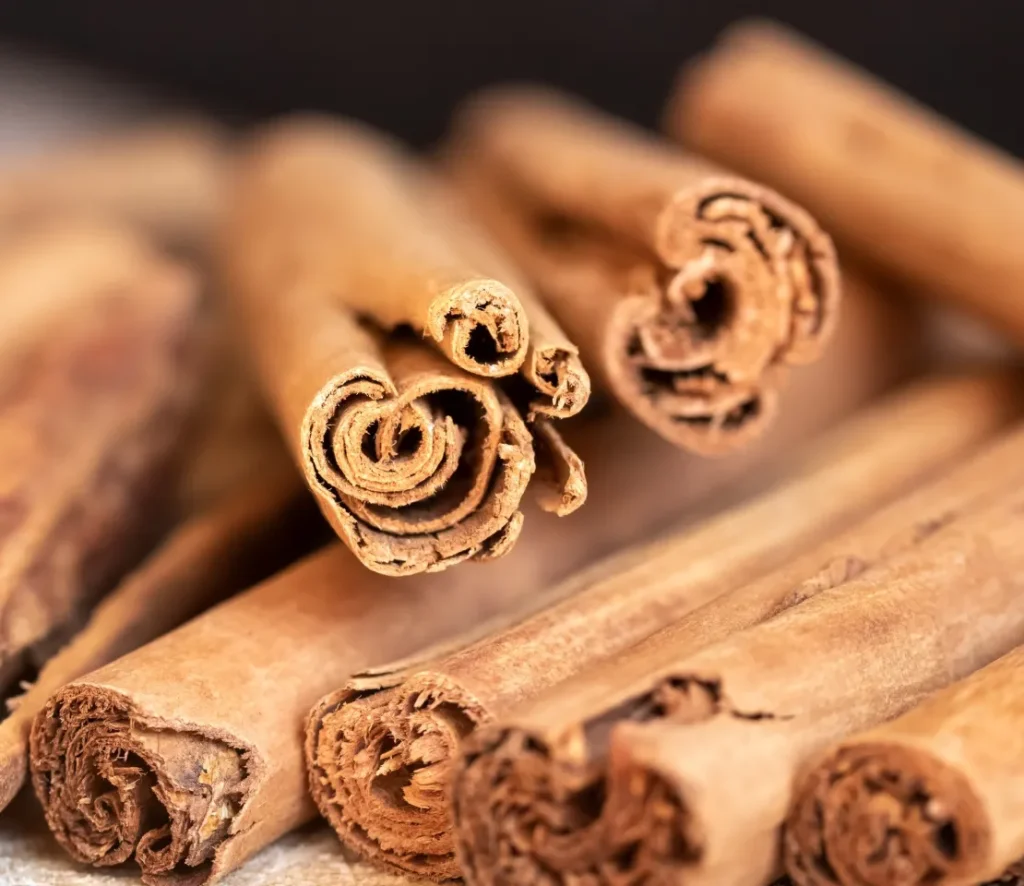
Once harvested, the inner bark begins its remarkable transformation. As it dries under Sri Lanka’s tropical sun, the bark naturally curls inward, forming the distinctive quill shape that makes Ceylon cinnamon instantly recognizable to international buyers. This process, taking 4-6 hours depending on humidity and temperature, cannot be rushed without compromising quality.
The drying process is where Ceylon cinnamon’s signature characteristics emerge. The thin, multi-layered structure develops as moisture leaves the bark at precisely the right rate. Too fast, and the bark becomes brittle and breaks; too slow, and fermentation can begin, ruining the batch for export.
Experienced processors monitor environmental conditions constantly, moving cinnamon indoors if rain threatens or adjusting drying areas to optimize air circulation. This attention to detail ensures that each batch meets the strict quality standards demanded by international food manufacturers and spice distributors worldwide.
During drying, the cinnamon develops its characteristic tan color and intensifies in aroma as essential oils concentrate. The finished quills are so delicate they can be broken by hand, yet strong enough to maintain their structure during international shipping – a testament to the perfection of traditional processing methods.
Quality Grading: Meeting International Standards
Ceylon cinnamon grading represents one of the world’s most sophisticated spice classification systems, developed to serve the exacting requirements of international markets. The grading process evaluates multiple factors including quill diameter, bark thickness, color uniformity, essential oil content, and overall appearance.
The highest grade, “Alba,” features quills with diameters of 6mm or less and represents less than 10% of total production. This premium grade commands top prices in international markets and is sought by luxury food brands and high-end spice importers worldwide.
“Continental” grade, with slightly larger diameters, serves the bulk of international commercial markets, providing the consistent quality that global food manufacturers require for large-scale production. Lower grades find markets in different applications, ensuring that the entire harvest contributes to Sri Lanka’s cinnamon export economy.
Each grade undergoes rigorous testing for moisture content, essential oil levels, and microbiological safety to meet international food safety standards. Leading Sri Lankan exporters maintain laboratory facilities that can certify products for the most demanding global markets, including organic and pharmaceutical-grade certifications.
Value-Added Processing: From Quills to Global Products
Modern Sri Lankan cinnamon processing facilities combine traditional craftsmanship with contemporary technology to create diverse products for international markets. While hand-crafted quills remain the premium product, value-added processing creates opportunities in multiple global market segments.
Cinnamon powder production utilizes specialized grinding techniques that preserve essential oil content while achieving the fine consistency required by commercial food manufacturers. The challenge lies in maintaining the delicate flavor profile during mechanical processing – something that requires careful temperature control and specialized equipment.
Essential oil extraction represents the highest value addition, with Ceylon cinnamon oil commanding premium prices in international pharmaceutical, cosmetic, and food flavoring markets. Steam distillation facilities in Sri Lanka produce oils that meet international purity standards while supporting local employment and adding value to the traditional cinnamon industry.
Even cinnamon processing byproducts find international markets. Bark chips and powder from lower grades serve the natural health supplement industry, while cinnamon leaf oil provides a different chemical profile valuable for specific industrial applications.
Sustainable Supply Chains: Environmental and Social Responsibility
Sri Lanka’s traditional cinnamon processing methods align perfectly with contemporary demands for sustainable supply chains. The coppicing harvesting system actually improves forest health by encouraging new growth while maintaining established root systems that prevent soil erosion.
Water usage in processing is minimal compared to other spice processing operations, and organic waste from bark removal returns nutrients to the soil. This circular system has sustained cinnamon production for centuries while maintaining the biodiversity that supports healthy plantation ecosystems.
Social sustainability is equally impressive. The cinnamon industry provides employment for thousands of rural families, with skills and knowledge passed through generations creating stable community livelihoods. Unlike industrial agriculture that displaces traditional communities, cinnamon cultivation strengthens rural Sri Lankan society.
International buyers increasingly recognize that choosing Sri Lankan Ceylon cinnamon supports both environmental sustainability and social responsibility – factors that resonate with global consumers demanding ethical sourcing.
Quality Assurance: From Plantation to International Port
Modern Sri Lankan cinnamon exporters have developed comprehensive quality assurance systems that trace products from individual plantations to international shipping containers. This traceability satisfies the stringent requirements of global food safety regulations while maintaining the artisanal quality that defines Ceylon cinnamon.
Temperature and humidity-controlled storage facilities protect finished products from deterioration during the transition from processing to export. Specialized packaging systems preserve essential oil content and prevent contamination during international shipping.
Laboratory testing at multiple stages ensures that products reaching international markets meet specified moisture content, essential oil levels, and microbiological standards. This systematic approach gives global buyers confidence in product consistency and safety.
Leading exporters maintain certifications for organic, fair trade, and other specialty standards that open access to premium international market segments. These certifications require documentation of the entire supply chain, from plantation management to final packaging.
The Future of Traditional Craftsmanship in Global Markets
As international demand for authentic, sustainably-produced spices continues growing, Sri Lanka’s traditional cinnamon processing methods become increasingly valuable. The combination of artisanal quality, environmental sustainability, and cultural authenticity creates a unique value proposition in global spice markets.
Emerging technologies are being carefully integrated to support rather than replace traditional methods. Advanced testing equipment helps optimize processing conditions, while improved packaging and storage systems maintain product quality during international distribution.
The challenge for Sri Lankan cinnamon producers is scaling traditional methods to meet growing international demand while preserving the craftsmanship that creates their competitive advantage. This balance between tradition and innovation defines the future of Ceylon cinnamon in global markets.
From the misty plantations of Sri Lanka’s hill country to specialty spice shops in international capitals, the journey of Ceylon cinnamon represents more than agricultural commerce – it’s the preservation of ancient wisdom in service of contemporary global cuisine. Every perfectly formed quill carries within it the knowledge of generations, the essence of Sri Lankan terroir, and the promise of flavor experiences that modern processing simply cannot replicate.
