
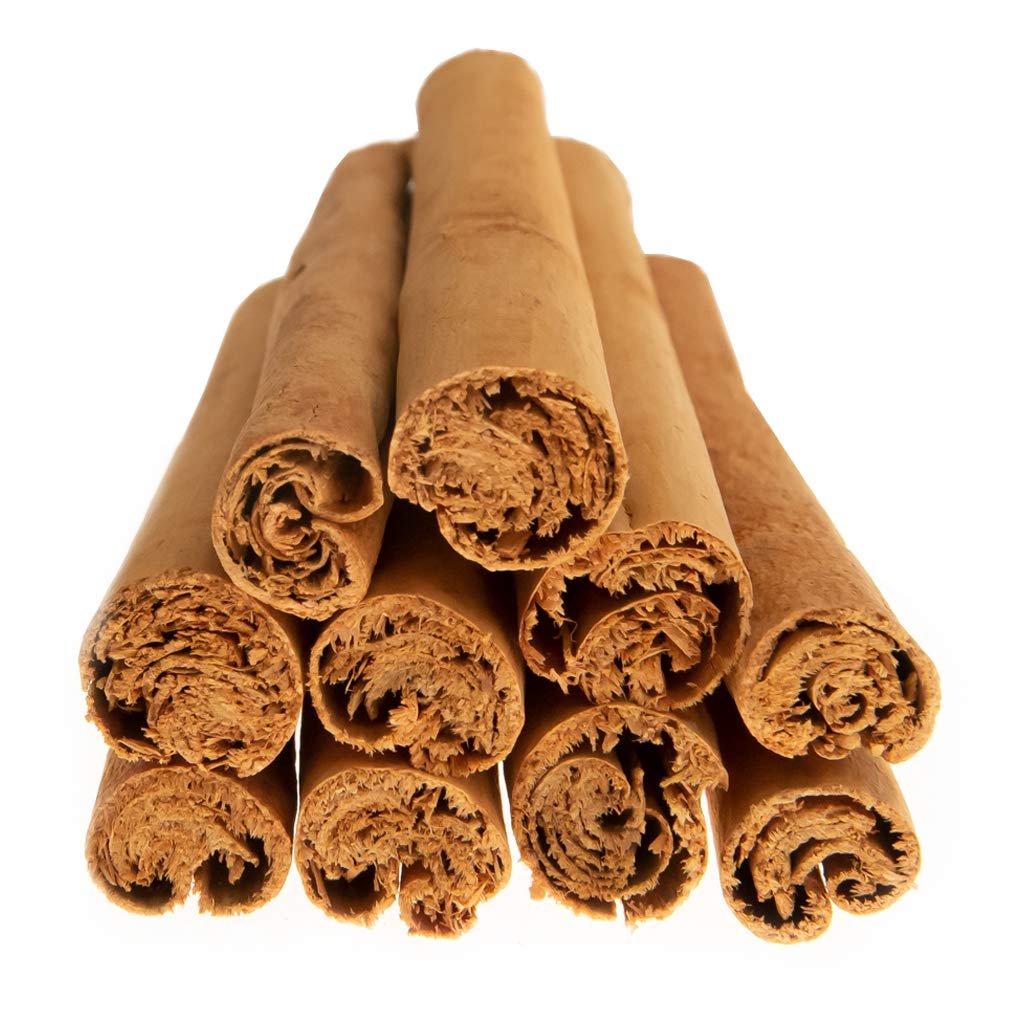
Ceylon Cinnamon, often referred to as “True Cinnamon,” has emerged as one of the most sought-after spices in the global market. With its distinct aroma, subtle sweetness, and remarkable health benefits, this golden spice has gained worldwide recognition. As consumer awareness grows around the differences between Ceylon Cinnamon and its more common counterpart, Cassia, more and more buyers are looking to Sri Lanka – the island nation that remains the top producer and exporter of Ceylon Cinnamon.
A Historical Legacy of Spice
Sri Lanka’s relationship with cinnamon dates back thousands of years. Ancient Egyptians used cinnamon imported from Sri Lanka for embalming, while Arab traders transported it across trade routes to Europe. During colonial times, the Portuguese, Dutch, and British all vied for control of the island partly due to its rich spice offerings, with cinnamon being the crown jewel. This deep-rooted history has made cinnamon an integral part of Sri Lankan culture, economy, and agricultural practices.
What Sets Ceylon Cinnamon Apart?
Ceylon Cinnamon (Cinnamomum verum) differs significantly from the more commonly found Cassia (Cinnamomum cassia). While Cassia is hard, dark, and has a pungent flavor, Ceylon Cinnamon is soft, light brown, and has a delicate, sweet taste.
Key differences include:
- Coumarin Content: Ceylon Cinnamon has very low levels of coumarin, a natural substance that can be toxic to the liver in high amounts. Cassia contains much higher levels, raising health concerns.
- Flavor Profile: Ceylon offers a complex, nuanced flavor ideal for fine cooking and baking, whereas Cassia has a harsher, more one-dimensional taste.
- Texture: Ceylon cinnamon sticks, also known as quills, are thin and can be crushed easily. Cassia sticks are thicker and more difficult to grind.
Rising Global Demand
Over the past decade, the global demand for Ceylon Cinnamon has seen a steady increase. There are several reasons for this trend:
- Health & Wellness Trends: As more consumers shift toward natural remedies and superfoods, the health benefits of Ceylon Cinnamon – such as its antioxidant properties, blood sugar regulation, and anti-inflammatory effects – have fueled demand.
- Increased Consumer Awareness: With the rise of food blogs, documentaries, and wellness influencers, the differences between Cassia and Ceylon have become better known. More consumers are now actively seeking “True Cinnamon.”
- Shift in Culinary Practices: Top chefs and culinary experts around the world now prefer Ceylon Cinnamon for its mild and refined flavor, which complements both sweet and savory dishes.
- Food Safety Regulations: Some countries, including members of the European Union, have issued advisories about high coumarin levels in Cassia cinnamon, making Ceylon Cinnamon the safer and preferred choice for food manufacturers.
Sri Lanka: The Heart of Ceylon Cinnamon
Sri Lanka holds a near-monopoly on Ceylon Cinnamon, producing around 80-90% of the global supply. The country’s tropical climate, fertile soil, and centuries-old cultivation practices make it the ideal location for growing high-quality cinnamon.
The spice industry plays a critical role in the country’s economy, with cinnamon exports contributing significantly to foreign exchange earnings. Sri Lanka’s cinnamon-growing regions, including Matara, Galle, and Kalutara, are known for their artisanal farming methods that preserve the purity and quality of the spice.
Sustainable Farming and Ethical Practices
One of the key reasons global buyers turn to Sri Lanka for their cinnamon is the sustainable and ethical farming practices employed by local growers. Sri Lankan cinnamon is often grown without synthetic pesticides, using eco-friendly and traditional farming methods. These practices not only ensure a premium product but also align with the values of today’s conscious consumers.
Organizations and government bodies in Sri Lanka are also working to ensure that cinnamon farmers receive fair compensation, and that the industry as a whole benefits from rising demand. Certification programs and export quality standards are helping to maintain the reputation of Sri Lankan cinnamon on the world stage.
Major Export Markets
Sri Lankan Ceylon Cinnamon is exported to a diverse array of markets, including:
- United States: One of the largest importers, driven by demand for organic and health-focused food products.
- European Union: The strict food safety standards in the EU make Ceylon Cinnamon the preferred choice over Cassia.
- India and South Asia: Despite having its own cinnamon cultivation, many regional buyers prefer Ceylon for its superior quality.
- Middle East: Used in both cuisine and traditional medicine, Ceylon Cinnamon is popular in countries like the UAE, Saudi Arabia, and Qatar.
Challenges and Opportunities
While the demand is strong, the Sri Lankan cinnamon industry faces challenges:
- Climate Change: Changing weather patterns can affect crop yields and quality.
- Labor Shortages: The industry still relies heavily on manual labor for harvesting and processing.
- Global Competition: While Sri Lanka dominates the Ceylon Cinnamon market, other countries like Madagascar and Seychelles are starting to grow the same variety, albeit on a smaller scale.
Despite these challenges, the opportunities are vast. With continued investment in technology, infrastructure, and branding, Sri Lanka is well-positioned to expand its market share even further.
The Role of Branding and Certification
To meet growing international standards and differentiate Ceylon Cinnamon in a competitive market, Sri Lanka has invested in Geographical Indication (GI) certification. This helps protect the authenticity of Ceylon Cinnamon and ensures consumers are getting a product that meets specific quality standards.
Brands and exporters are also focusing more on premium packaging, organic certifications, and direct-to-consumer sales, especially through online platforms, to reach health-conscious customers around the globe.
Conclusion
As the world continues to move towards healthier lifestyles and authentic culinary experiences, Ceylon Cinnamon from Sri Lanka is more relevant than ever. Its rich history, unmatched flavor, and proven health benefits make it a standout in the spice world. With Sri Lanka leading the charge, the future of this golden spice looks promising, both for the global market and for the communities that have cultivated it for generations.
For importers, chefs, wellness brands, and health-conscious consumers alike, Sri Lankan Ceylon Cinnamon truly is the gold standard.
